
Founder Stories: Picketa Systems
Growing Better Decisions for Farmers
What if farmers could understand exactly what their crops need, in real time?
For decades, growers have relied on laboratory testing to understand the nutrient health of their crops. The process can take days or even weeks, leaving farmers waiting for information when critical decisions need to be made much sooner. That challenge is one the founders of Picketa Systems knew firsthand.
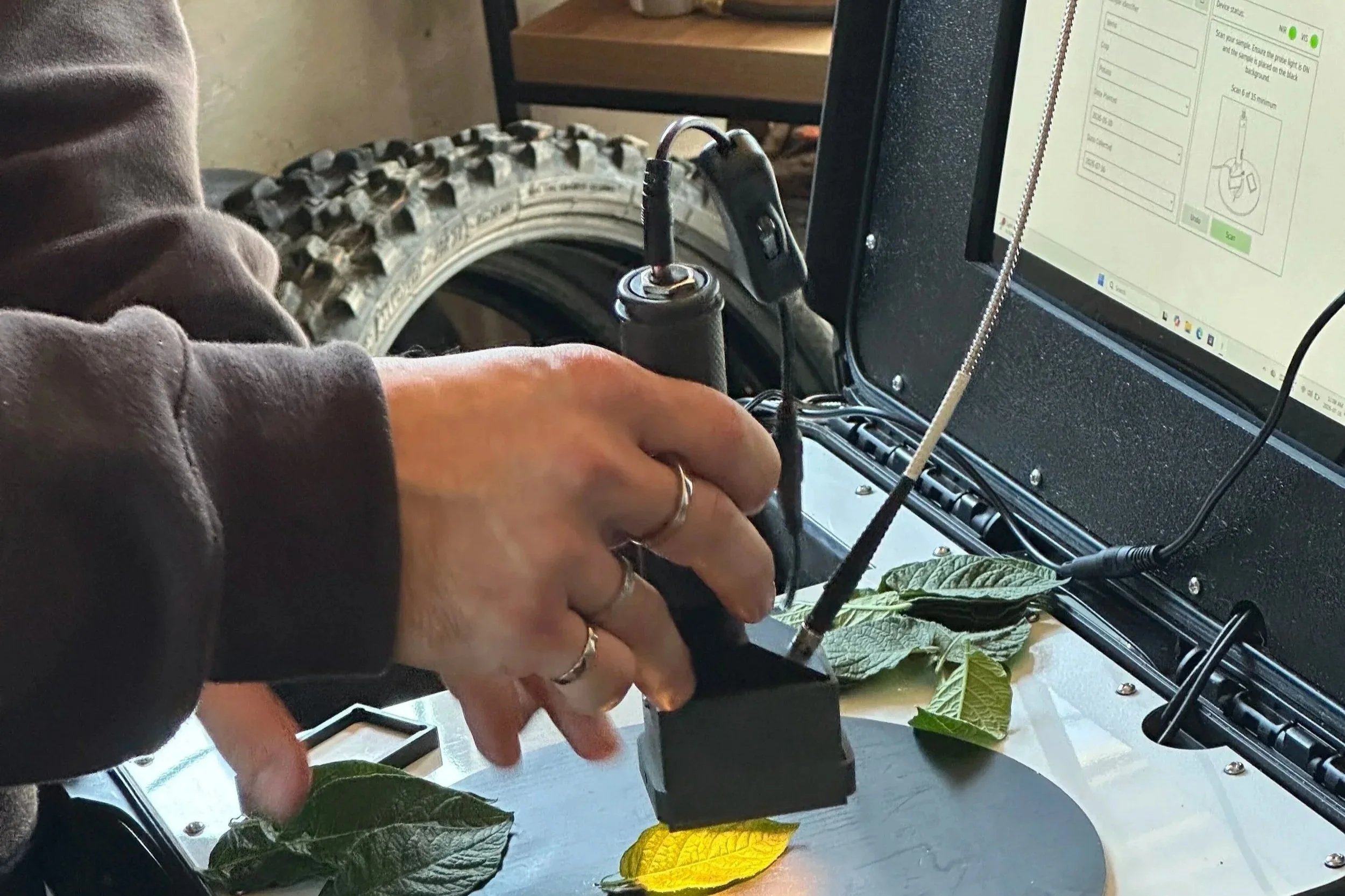
Born from a family potato farm in New Brunswick and developed by a team of engineering students at UNB, Picketa is helping farmers access real-time crop nutrient data in minutes rather than weeks. Their technology enables growers to move beyond diagnosing problems and start solving them sooner.
Watch their Story
A Problem Rooted in Agriculture
The idea for Picketa started on co-founder Dominic Levesque’s family farm in Saint-André, New Brunswick.
Like many growers, the farm relied on plant tissue samples to understand crop health. Samples were shipped to testing laboratories and results often arrived days or weeks later. By the time answers came back, opportunities to act had often passed.
For a team of engineers, that delay felt like a challenge worth solving.
"We didn't want a report card we had to look back on. We wanted a cheat sheet on what were the nutrients in the crop at that moment and what can we do to fix it," explained Xavier Hebert-Couturier, co-founder and CEO of Picketa Systems.
Together, the founders set out to build a tool that could provide growers with meaningful insights instantly, helping them make more informed decisions in the field.
University Project to Growing Company
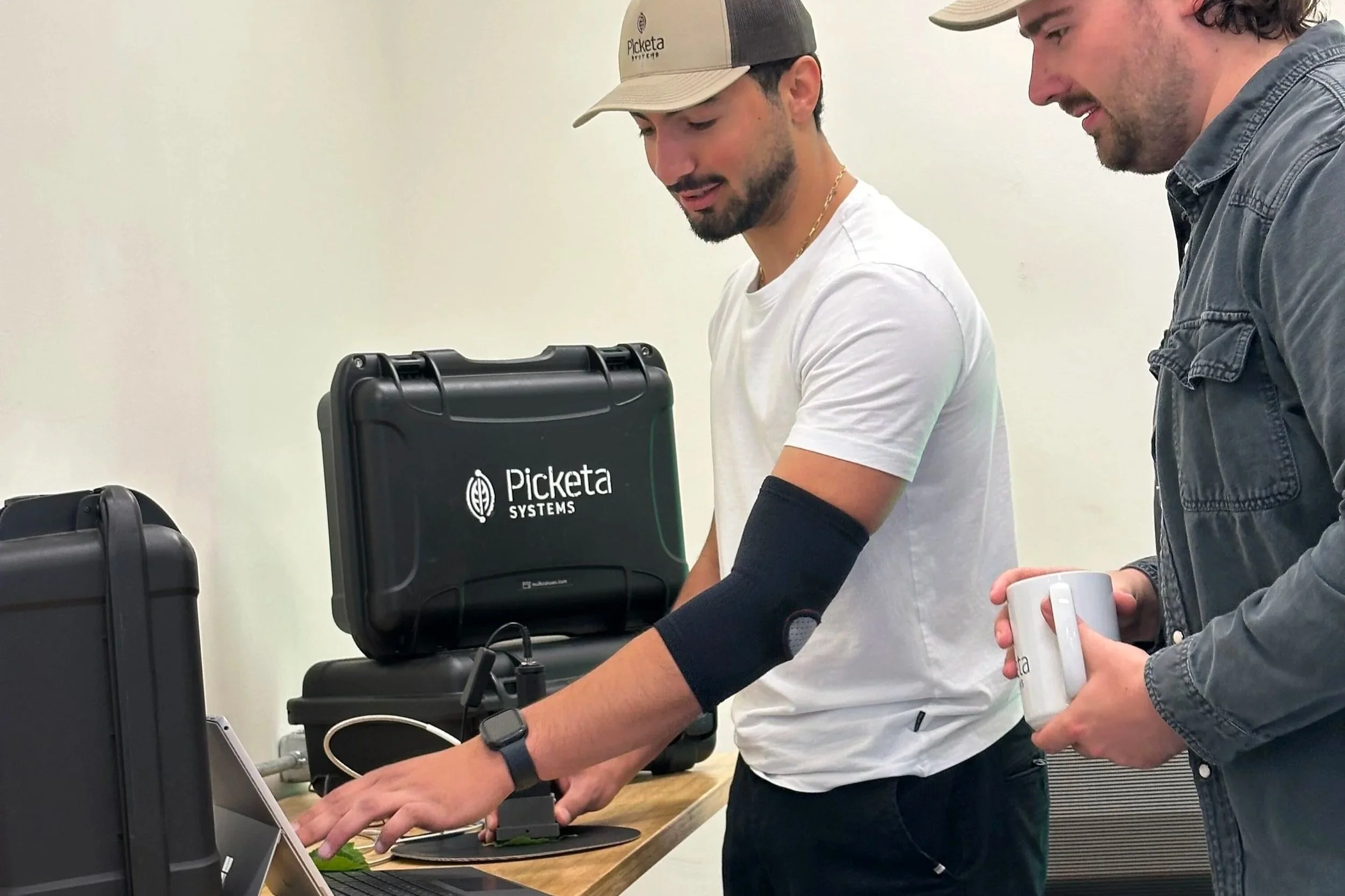
What began as a senior engineering project at the University of New Brunswick evolved into something much larger. Drawing on experiences from farming, engineering, and industry internships, the team built an early proof of concept and continued refining the technology after graduation.
Like many startups, the journey wasn't without challenges. Funding was limited, the technology was entirely new, and there was no clear roadmap for building what they pictured. But through persistence, community support, and a willingness to learn as they went, the company continued to grow.
"None of us had money. We had to be really scrappy," said Dominic.
"We're not going to have it all figured out from day one. Getting to learn, adjust and build the skill set along the way has been really rewarding," added co-founder and VP, sales, Zachary Anderson.
Building Global Solutions from New Brunswick
While Picketa serves growers far beyond the province's borders, New Brunswick remains central to the company's identity.
From local farmers who opened their fields for testing to the researchers, investors, and support organizations that helped along the way, the founders view their roots as a competitive advantage.
"We can build world-class tech while still being close to our roots," Xavier said.
The team believes that solving global problems doesn't require leaving home. Instead, they've found that New Brunswick's talent, work ethic, and collaborative community have been instrumental in helping the company grow.
The Moment That Makes It Worth It
For the Picketa team, success is experienced when growers use the platform, make better decisions, and gain confidence in what they're doing in the field.
When farmers can identify nutrient deficiencies before they're visible to the human eye and take action immediately, that's where the technology creates real impact.
"Their mind goes from trying to figure out what's going on to how to fix it," Xavier said.
"We get phone calls saying, 'Your technology helped us out.' Those kinds of testimonials are what we do it for," Dominic added.
Looking Ahead
The team believes they're only scratching the surface of what's possible.
As data, sensor technology, and automation continue to advance, the founders see opportunities to transform how growers gather information and manage crops around the world. From autonomous data collection to increasingly sophisticated crop insights, the future is full of possibilities.
For now, they're focused on what they've always focused on: giving farmers better information so they can make better decisions.